



Introduction: The Shift from Hardware to Intelligent Systems
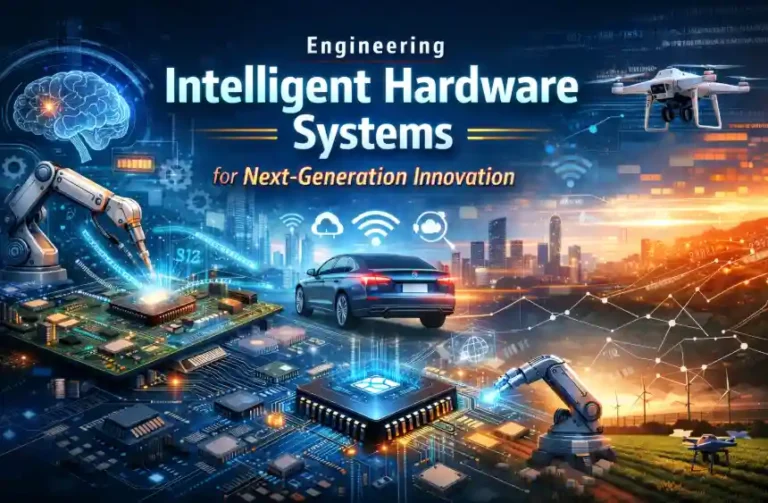
The world of hardware is undergoing one of the most important transformations in its history. What was once considered a purely physical and functional domain has now evolved into a space driven by intelligence, data, and adaptability. Hardware is no longer just about circuits and components it is about building systems that can sense, think, and act.
In earlier generations, electronic devices were designed to perform fixed tasks. Their functionality was defined at the time of development and remained unchanged throughout their lifecycle. Today, however, users expect far more. They want devices that can learn their behavior, respond in real time, and improve continuously.
This shift is largely driven by advancements in artificial intelligence, embedded systems, and connectivity technologies. Together, these innovations have enabled the rise of intelligent hardware systems devices that combine physical engineering with computational intelligence.
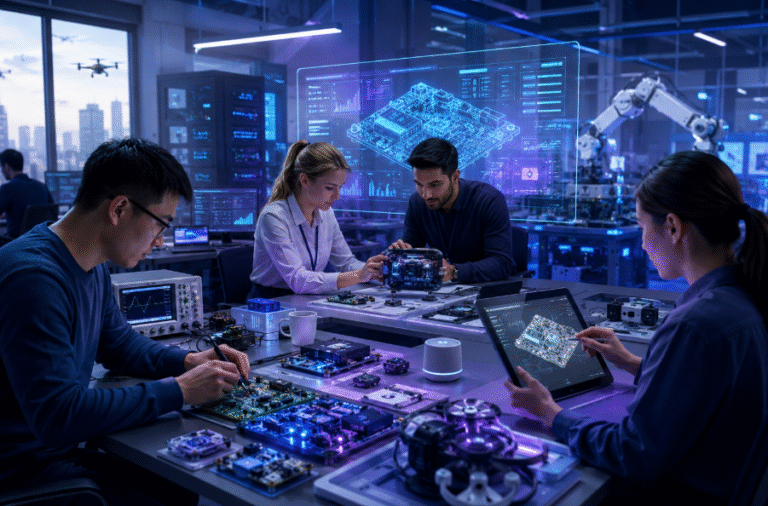
For businesses, this presents both an opportunity and a challenge. The opportunity lies in creating smarter, more valuable products. The challenge lies in the complexity of building such systems. This is where an AI Hardware Design Agency becomes an essential partner, helping organizations navigate the technical and strategic aspects of intelligent hardware development.
Understanding Intelligent Hardware Systems
At its core, an intelligent hardware system is designed to interact with its environment in a meaningful way. It does not simply execute commands; it interprets data, identifies patterns, and makes decisions.
To understand this better, consider the difference between traditional and intelligent systems. A traditional device operates based on predefined rules. It reacts to inputs predictably. An intelligent system, on the other hand, analyzes inputs, learns from past data, and adapts its behavior accordingly.
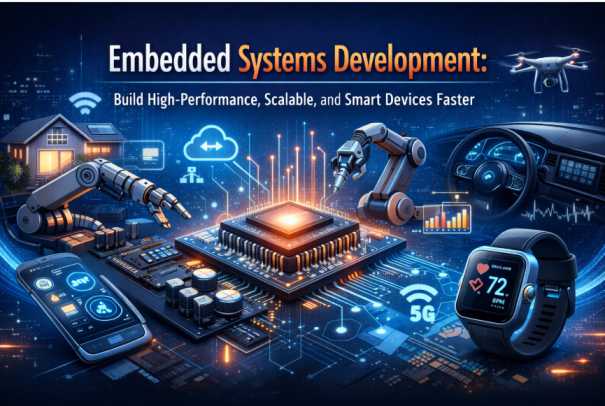
This capability is made possible through the integration of sensors, processors, embedded software, and AI models. Each component plays a critical role in enabling intelligence.
Sensors collect data from the environment. This data is then processed by the system’s computing unit. AI algorithms analyse the data and generate insights or decisions. Finally, the system takes action based on these decisions.
An AI hardware design agency ensures that all these elements are seamlessly integrated, resulting in a system that is not only functional but also intelligent and adaptive.
The Evolution of Hardware Design
The journey from traditional hardware to intelligent systems has been gradual but transformative. Initially, hardware devices were mechanical or basic electronic systems with limited functionality. The introduction of microcontrollers allowed for programmable behaviour, enabling more flexibility.
The next major milestone was connectivity. With the emergence of the Internet of Things (IoT), devices began to communicate with each other and with centralised systems. This allowed for remote monitoring and control, significantly expanding the capabilities of hardware systems.
The current phase of evolution is defined by the integration of artificial intelligence. Devices are no longer dependent on external systems for decision-making. They can process data locally and respond in real time.
This shift has redefined the role of hardware in modern technology. It is no longer a passive component but an active participant in intelligent systems.
Key Components of Intelligent Hardware Systems
Building intelligent hardware requires a deep understanding of its core components and how they interact.
The processing unit serves as the brain of the system. It executes instructions, processes data, and runs AI algorithms. Modern processors are designed to handle complex computations while maintaining energy efficiency.
Sensors act as the interface between the physical world and the digital system. They capture data such as temperature, motion, light, and sound. The accuracy and reliability of sensors are crucial for system performance.
Embedded software controls the operation of the hardware. It manages communication between components, processes inputs, and ensures smooth functionality.
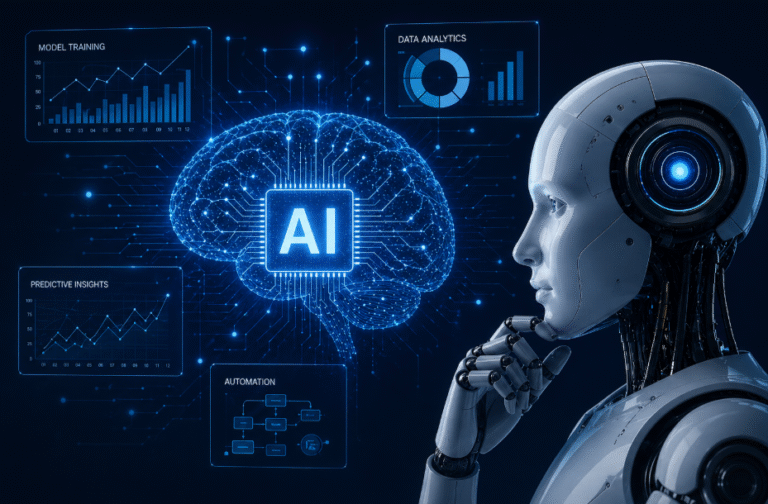
AI models provide the intelligence. They analyse data, detect patterns, and make decisions. These models must be optimised to run efficiently on hardware with limited resources.
Connectivity enables communication with other devices and systems. This is essential for creating integrated and scalable solutions.
Power management ensures that the system operates efficiently. It balances performance with energy consumption, which is particularly important for battery-powered devices.
An AI hardware design agency brings expertise in integrating these components into a cohesive system.
The Role of Edge AI in Modern Hardware
One of the most significant advancements in hardware design is the adoption of edge AI. Traditionally, data processing was performed in the cloud. While this approach offers scalability, it also introduces latency and dependency on network connectivity.
Edge AI addresses these limitations by enabling data processing directly on the device. This allows for faster response times and improved reliability.
In applications such as healthcare and industrial automation, real-time decision-making is critical. Edge AI enables devices to operate independently and respond instantly to changing conditions.
Another advantage of edge AI is enhanced data privacy. Sensitive information can be processed locally without being transmitted to external servers.
An AI Hardware Design Agency specializes in implementing edge AI solutions, ensuring that devices deliver high performance while maintaining efficiency and security.
Designing Intelligent Hardware Systems
Designing intelligent hardware is a complex process that requires careful planning and execution.
The process begins with idea validation. This involves identifying the problem the product aims to solve and evaluating its feasibility. Market research and user feedback play a crucial role in this stage.
The next step is system architecture design. This involves defining the structure of the system, selecting components, and planning data flow.
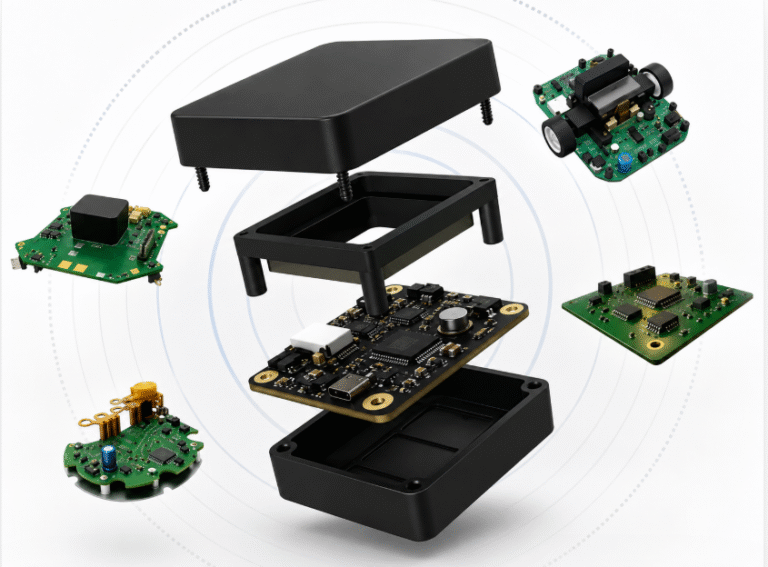
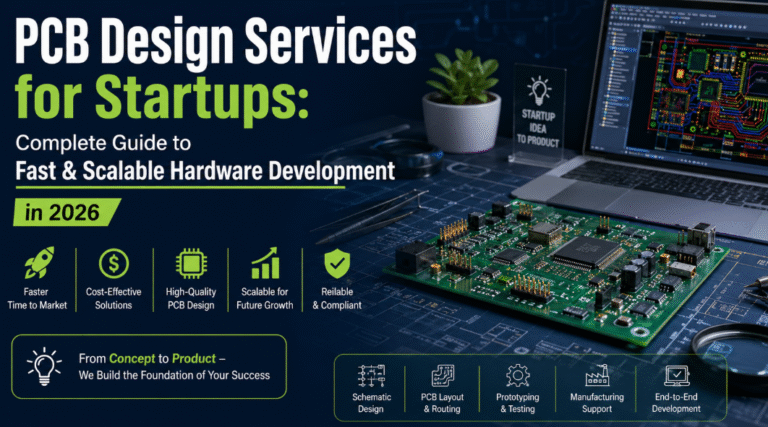
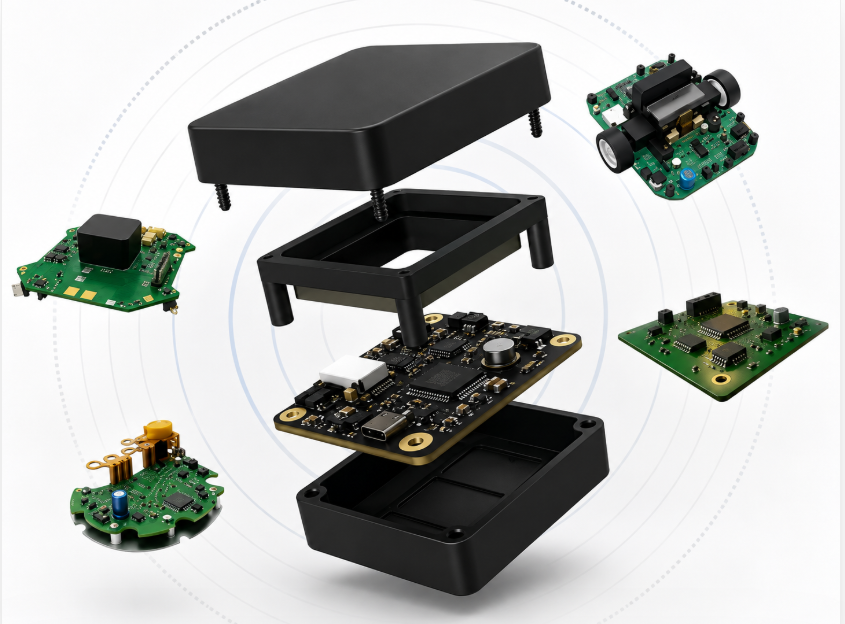
PCB design is one of the most critical stages. The printed circuit board connects all components and ensures proper signal flow. A well-designed PCB is essential for system reliability and performance.
Prototyping allows developers to test the design in real-world conditions. This stage helps identify potential issues and refine the system.
AI integration involves training and optimizing machine learning models for the hardware platform. This requires balancing performance with resource constraints.
Testing and validation ensure that the system meets performance and reliability standards. This includes functional testing, stress testing, and compliance checks.
Finally, the system is prepared for manufacturing and scaling. This involves optimizing the design for production and ensuring consistent quality.
An AI Hardware Design Agency manages this entire process, ensuring a smooth and efficient development cycle.
Challenges in Intelligent Hardware Development
Despite its potential, intelligent hardware development comes with several challenges.
- Integrating AI with hardware requires careful optimization. AI models are often resource-intensive, while embedded systems have limited capabilities.
- Thermal management is another critical concern. High-performance systems generate heat, which must be managed to prevent damage.
- Component availability can also be an issue. Supply chain disruptions can affect development timelines and costs.
- Cost management is particularly important for startups. Balancing performance with budget constraints requires strategic decision-making.
- Security is a growing concern. Connected devices are vulnerable to cyber threats, making robust security measures essential.
An AI hardware design agency helps address these challenges by providing expertise and strategic guidance.
Applications of Intelligent Hardware Systems
Intelligent hardware is transforming industries across the globe.
- In healthcare, devices enable remote monitoring and early diagnosis. Wearable devices track vital signs and provide actionable insights.
- In the automotive industry, intelligent systems enhance safety and enable autonomous driving.
- Manufacturing is becoming more efficient through automation and predictive maintenance. Intelligent systems can identify potential issues before they occur, reducing downtime.
- Consumer electronics are becoming more personalised and user-friendly. Smart home devices adapt to user preferences and provide seamless experiences.
- Agriculture is also benefiting from intelligent hardware. Data-driven solutions help optimise resource usage and improve productivity.
These applications highlight the wide-ranging impact of intelligent hardware systems.
Future Trends in Intelligent Hardware
The future of hardware innovation is driven by rapid technological advancements.
AI models are becoming more efficient, enabling their deployment on smaller devices. Edge computing is gaining prominence, reducing reliance on cloud systems.
Connectivity is improving with the adoption of advanced communication technologies. This enables faster and more reliable data exchange.
Sustainability is becoming a key focus. Energy-efficient designs and eco-friendly materials are gaining importance.
The integration of hardware and software is becoming more seamless, enabling more sophisticated and user-friendly products.
Businesses that embrace these trends will be well-positioned to succeed in the future.
Conclusion
Engineering intelligent hardware systems is about more than just technology. It is about creating solutions that improve lives, enhance efficiency, and drive innovation.
The journey from concept to product is complex, requiring expertise in multiple domains. From design and prototyping to AI integration and manufacturing, every stage plays a crucial role.
Partnering with an AI Hardware Design Agency provides the expertise needed to navigate this journey. It ensures that products are not only functional but also intelligent, scalable, and future-ready.
As the demand for intelligent systems continues to grow, businesses that invest in this area will gain a significant competitive advantage. The future belongs to those who can combine hardware and intelligence to create meaningful solutions.