





Affectiva Automotive AI is redefining how vehicles understand and interact with drivers by integrating emotion recognition technology directly into modern cars. As the automotive industry moves toward autonomous, connected, and intelligent vehicles, Affectiva Automotive AI stands at the intersection of artificial intelligence, human emotions, and road safety. By enabling vehicles to sense and respond to driver emotions such as fatigue, distraction, stress, and engagement, Affectiva Automotive AI is shaping the future of safer and more personalized mobility.
In this comprehensive guide, we will explore what Affectiva Automotive AI is, how it works, its core features, real-world applications, benefits, challenges, and its role in the future of smart vehicles.
What Is Affectiva Automotive AI?
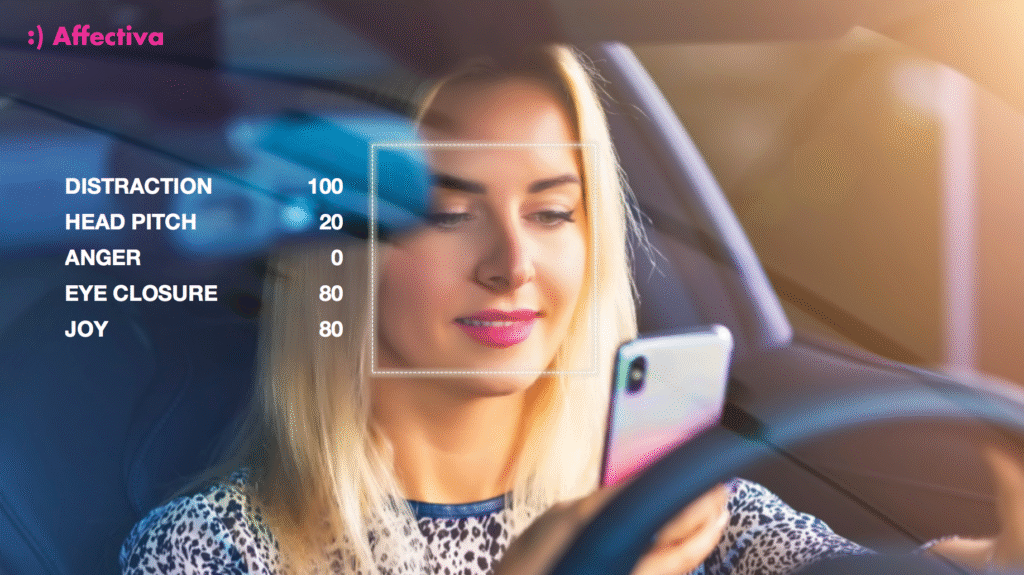
Affectiva Automotive AI is an advanced emotion recognition system designed specifically for the automotive industry. Developed by Affectiva, a pioneer in emotion AI, this technology uses computer vision, machine learning, and deep neural networks to analyze facial expressions, head movements, eye gaze, and emotional cues of drivers and passengers in real time.
Unlike traditional driver monitoring systems that only track physical behavior, Affectiva Automotive AI focuses on emotional and cognitive states. This emotional intelligence allows vehicles to understand not just what a driver is doing, but how the driver is feeling.
Key Purpose of Affectiva Automotive AI
Improve road safety by detecting risky emotional states
Enhance driver comfort and personalization
Support semi-autonomous and autonomous vehicle systems
Reduce accidents caused by distraction or fatigue
How Affectiva Automotive AI Works
Affectiva Automotive AI operates using a combination of in-cabin cameras, sensors, and AI algorithms. These components work together to analyze human emotions and behaviors inside the vehicle.
Emotion Detection Through Computer Vision
The system uses infrared or RGB cameras to capture facial expressions and micro-movements. Affectiva Automotive AI processes this visual data to detect emotions such as:
Fatigue
Stress
Anger
Surprise
Engagement
Confusion
AI and Machine Learning Models
Affectiva Automotive AI is trained on one of the world’s largest emotion datasets, collected ethically across diverse cultures and lighting conditions. This ensures high accuracy across global markets.
Real-Time Analysis
All emotional analysis happens in real time, allowing vehicles to respond instantly—whether by alerting the driver, adjusting vehicle settings, or engaging driver assistance systems.
Core Features of Affectiva Automotive AI
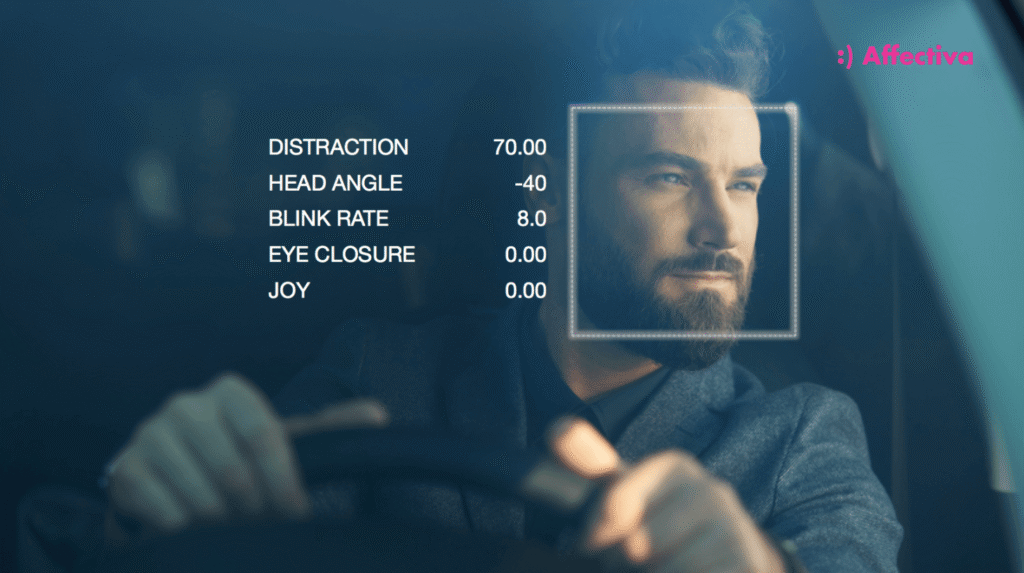
Affectiva Automotive AI offers a wide range of features that make it suitable for modern and future vehicles.
Driver State Monitoring
The system detects:
Drowsiness
Distraction
Cognitive overload
Emotional stress
This helps prevent accidents caused by reduced attention.
Passenger Emotion Recognition
Affectiva Automotive AI can also analyze passenger emotions, enabling enhanced in-car entertainment, comfort settings, and safety features.
Edge Processing
The AI operates directly within the vehicle, ensuring:
Low latency
Enhanced privacy
No dependency on constant internet connectivity
Multicultural Accuracy
Thanks to its diverse training data, Affectiva Automotive AI performs consistently across ethnicities, age groups, and geographic regions.
Applications of Affectiva Automotive AI in Modern Vehicles
Affectiva Automotive AI is already being integrated into various automotive use cases.
Driver Safety Systems
When the system detects fatigue or distraction, it can:
Trigger visual or audio alerts
Recommend breaks
Activate advanced driver assistance systems (ADAS)
Autonomous and Semi-Autonomous Vehicles
In autonomous driving modes, Affectiva Automotive AI ensures that the driver is emotionally ready to take control when required.
Personalized In-Car Experiences
Based on detected emotions, the system can:
Adjust music
Modify cabin lighting
Control temperature settings
Fleet and Commercial Vehicles
Fleet operators use Affectiva Automotive AI to monitor driver well-being, reduce accidents, and improve overall productivity.
Benefits of Affectiva Automotive AI
Affectiva Automotive AI delivers value to manufacturers, drivers, and society as a whole.
Enhanced Road Safety
Emotion-aware vehicles can significantly reduce accidents caused by fatigue, stress, or distraction.
Improved User Experience
Drivers enjoy a more intuitive and empathetic driving experience tailored to their emotional state.
Regulatory Compliance
Many regions are mandating driver monitoring systems. Affectiva Automotive AI helps manufacturers meet these evolving regulations.
Competitive Advantage for Automakers
Emotion AI differentiates vehicles in a crowded market by offering next-generation intelligence.
Affectiva Automotive AI and Data Privacy
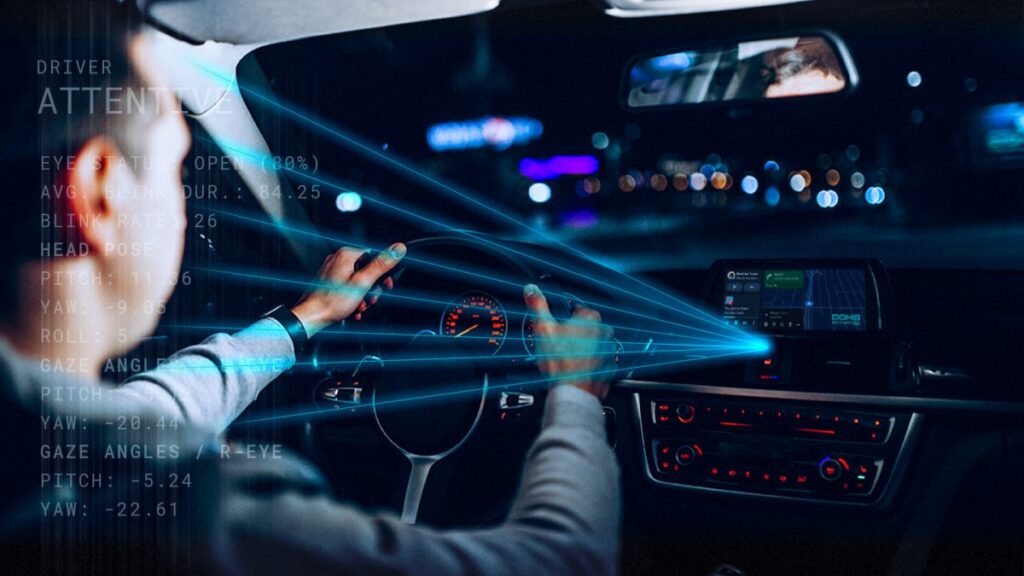
Data privacy is a major concern in AI-powered vehicles, and Affectiva Automotive AI addresses this responsibly.
On-Device Processing
Most emotional data is processed locally within the vehicle, minimizing data transmission risks.
Ethical AI Practices
Affectiva Automotive AI is built using ethically sourced data and transparent AI principles.
User Consent
Automakers can implement consent-based features, allowing users to control how their data is used.
Challenges and Limitations of Affectiva Automotive AI
Despite its strengths, Affectiva Automotive AI faces some challenges.
Environmental Factors
Lighting conditions, sunglasses, or camera obstructions may affect accuracy.
Integration Costs
Implementing advanced in-cabin AI systems can increase vehicle production costs.
Public Awareness
Some drivers may feel uncomfortable with emotion-tracking technology, requiring education and transparency.
Future of Affectiva Automotive AI
The future of Affectiva Automotive AI is closely tied to the evolution of intelligent transportation systems.
Integration with Smart Cities
Emotion-aware vehicles may communicate with traffic systems to optimize road safety.
Advanced Human-Machine Interaction
Future vehicles will interact with drivers using voice, gestures, and emotions simultaneously.
Fully Autonomous Vehicles
Affectiva Automotive AI will play a critical role in ensuring emotional readiness and trust between humans and autonomous systems.
Why Automakers Choose Affectiva Automotive AI
Automakers prefer Affectiva Automotive AI because it is:
Proven and scalable
Backed by extensive research
Compatible with existing automotive platforms
Trusted by global automotive brands
Its ability to understand human emotions gives manufacturers a strategic advantage in building safer and smarter vehicles.
FAQs About Affectiva Automotive AI
What is Affectiva Automotive AI used for?
Affectiva Automotive AI is used to detect driver and passenger emotions to improve safety, personalization, and driving comfort.
How does Affectiva Automotive AI improve road safety?
By identifying fatigue, distraction, and emotional stress, Affectiva Automotive AI alerts drivers and activates safety systems.
Is Affectiva Automotive AI safe for privacy?
Yes, Affectiva Automotive AI focuses on edge processing and ethical AI practices to protect user privacy.
Can Affectiva Automotive AI work in autonomous vehicles?
Absolutely. Affectiva Automotive AI supports autonomous systems by monitoring driver readiness and emotional engagement.
Which vehicles use Affectiva Automotive AI?
Many global automotive manufacturers and Tier-1 suppliers integrate Affectiva Automotive AI into their driver monitoring systems.
Conclusion
Affectiva Automotive AI represents a major leap forward in emotion-aware vehicle technology. By combining artificial intelligence with human emotional intelligence, it bridges the gap between drivers and machines. From enhancing road safety to delivering personalized driving experiences, Affectiva Automotive AI is not just an innovation—it is a necessity for the future of mobility.