






Introduction to AI & Data Literacy
What Is AI & Data Literacy?
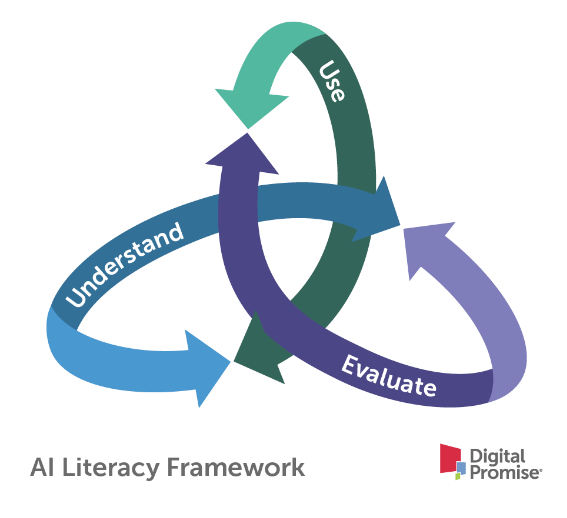
AI & data literacy refers to the ability to understand, evaluate, and use artificial intelligence and data effectively in everyday situations. AI literacy focuses on understanding how artificial intelligence systems work, what they can and cannot do, and how they impact society. Data literacy, on the other hand, involves the ability to read, analyze, interpret, and communicate data. Together, AI & data literacy empower individuals to make informed decisions, ask the right questions, and interact confidently with modern digital technologies.
Why AI & Data Literacy Matter Today
In today’s data-driven world, AI & data literacy are no longer optional skills. Artificial intelligence influences everything from search engines and recommendation systems to healthcare and finance. At the same time, organizations generate massive amounts of data that guide strategic decisions. Without basic AI & data literacy, individuals risk misunderstanding technology, misinterpreting data, or relying on biased systems. These skills help people adapt to rapid technological change and remain competitive in the modern workforce.
Understanding AI Literacy
Definition of AI Literacy
AI literacy is the ability to understand the fundamentals of artificial intelligence, including how AI systems are designed, trained, and deployed. It also includes awareness of ethical considerations, limitations, and potential risks associated with AI technologies. AI literacy does not require advanced programming knowledge; instead, it emphasizes conceptual understanding and critical thinking.
Core AI Concepts for Beginners
For beginners, core AI concepts include machine learning, algorithms, data training, and automation. Machine learning allows systems to learn from data and improve over time. Algorithms are sets of rules that guide AI behavior. Understanding concepts like bias, accuracy, and transparency is also essential, as these factors influence how reliable and fair AI systems are. Grasping these basics builds a strong foundation for AI & data literacy.
Real-World Applications of AI
AI is already embedded in everyday life. Examples include voice assistants, fraud detection systems, personalized marketing, and smart healthcare tools. AI-powered applications help businesses automate processes, improve customer experiences, and analyze large datasets efficiently. Understanding these real-world applications makes AI literacy practical and relevant rather than theoretical.
Understanding Data Literacy
Definition of Data Literacy
Data literacy is the ability to understand, interpret, and communicate data effectively. It involves recognizing different data types, understanding basic statistics, and drawing meaningful insights from data visualizations. Data literacy enables individuals to question data sources, assess data quality, and avoid misleading conclusions.
Essential Data Skills Everyone Should Know
Essential data skills include reading charts and graphs, understanding averages and trends, and recognizing correlations versus causation. Basic skills in data collection, data cleaning, and data interpretation are increasingly valuable across industries. Even non-technical professionals benefit from understanding how data supports decision-making and performance measurement.
How Data Literacy Supports Better Decisions
Data literacy plays a crucial role in better decision-making. When individuals understand data, they can evaluate evidence objectively and reduce reliance on assumptions or intuition alone. Data-literate professionals can identify patterns, predict outcomes, and measure success accurately. This leads to more informed strategies and improved results in both personal and professional contexts.
AI Literacy vs Data Literacy
Key Differences Explained
Although closely related, AI literacy and data literacy are distinct skills. AI literacy focuses on understanding intelligent systems and automation, while data literacy centers on interpreting and analyzing data. AI literacy emphasizes how machines learn and make decisions, whereas data literacy emphasizes how humans extract insights from information. Both skills are essential in a technology-driven environment.
How AI and Data Literacy Work Together
AI & data literacy complement each other. AI systems rely on data to function, and understanding data improves the ability to evaluate AI outputs. Together, these skills help individuals assess the accuracy, fairness, and relevance of AI-driven insights. Combining AI & data literacy enables smarter use of technology and more responsible decision-making.
Benefits of AI & Data Literacy
Career and Skill Development Benefits
AI & data literacy significantly enhance career prospects. Employers increasingly seek professionals who can work with data and understand AI-driven tools. These skills open doors to roles in analytics, management, marketing, education, and technology. Even basic literacy can lead to better job performance and long-term career growth.
Business and Workplace Advantages
In the workplace, AI & data literacy drive efficiency and innovation. Teams that understand data and AI can optimize processes, improve forecasting, and reduce risks. Organizations benefit from improved collaboration between technical and non-technical teams, leading to faster and more informed decision-making.
Everyday Use Cases for Non-Technical Users
AI & data literacy are valuable beyond the workplace. Everyday use cases include understanding online recommendations, evaluating news and statistics, managing personal finances, and using smart devices effectively. These skills help individuals navigate digital environments with confidence and critical awareness.
Who Should Learn AI & Data Literacy?
Students and Educators
Students and educators benefit greatly from AI & data literacy. These skills support modern learning methods, research, and curriculum development. Early exposure prepares students for future careers and fosters critical thinking in a digital world.
Business Professionals and Managers
Business professionals and managers need AI & data literacy to lead effectively. Understanding AI-driven insights and data trends supports strategic planning, performance evaluation, and innovation. These skills enable leaders to make evidence-based decisions and guide digital transformation initiatives.
Beginners and Non-Technical Users
AI & data literacy are accessible to beginners and non-technical users. With beginner-friendly resources and practical examples, anyone can develop these skills. Learning AI & data literacy empowers individuals to engage confidently with technology and make smarter, data-informed choices.
What You’ll Learn in the AI & Data Literacy PDF
Topics Covered in the PDF Guide
The AI & Data Literacy PDF is designed to give beginners a clear and practical understanding of both artificial intelligence and data concepts. Inside the guide, readers will learn the fundamentals of AI, including how AI systems work, common types of AI, and where AI is used in everyday life. On the data side, the PDF explains what data is, how it is collected, and how it is transformed into insights. It also covers key topics such as data ethics, bias, responsible AI use, and real-world case examples that connect theory with practice.
Learning Format and Structure
The learning format of the AI & Data Literacy PDF is structured for easy understanding. Concepts are broken down into short sections, supported by examples, visuals, and summaries. Each chapter builds logically on the previous one, allowing learners to progress step by step. This clear structure helps readers stay engaged and prevents information overload, making it ideal for self-paced learning.
Beginner-Friendly Features
One of the biggest strengths of the AI & Data Literacy PDF is its beginner-friendly approach. The content avoids heavy technical jargon and explains complex ideas in simple language. Key terms are clearly defined, and examples are relatable to everyday situations. These features make the PDF accessible to students, professionals, and non-technical users who want to build confidence in AI and data concepts.
AI & Data Literacy PDF Free Download
How to Download the AI & Data Literacy PDF for Free
Finding an AI & Data Literacy PDF free download is easier than many people expect. Many educational platforms, universities, and technology organizations offer free PDF guides as part of open learning initiatives. These PDFs are often available through official websites, online learning portals, or resource libraries. Users can usually download the PDF instantly without registration or with minimal sign-up.
Safe and Legitimate PDF Sources
When searching for an AI & Data Literacy PDF free download, it is important to use safe and legitimate sources. Trusted options include academic institutions, government education portals, nonprofit organizations, and well-known technology companies. Avoid unofficial websites that host pirated content or require suspicious downloads. Using legitimate sources ensures accurate information, up-to-date content, and protection from security risks.
Tips for Using the PDF Effectively
To get the most value from an AI & Data Literacy PDF, readers should approach it with a learning plan. Start by reading one section at a time and take notes on key concepts. Revisiting examples and summaries helps reinforce understanding. Pairing the PDF with videos, articles, or hands-on tools can also deepen learning. Consistency is key—regular short study sessions are more effective than trying to complete everything at once.
Free vs Paid AI & Data Literacy Resources
Advantages of Free AI & Data Literacy PDFs
Free AI & data literacy PDFs offer an accessible starting point for learners. They allow users to explore core concepts without financial commitment, making them ideal for beginners. Free resources are also flexible, enabling self-paced learning at any time. For many learners, a well-structured free PDF provides enough foundational knowledge to understand AI and data in daily life and work environments.
When Paid Courses or Certifications Are Worth It
While free PDFs are valuable, paid AI & data literacy courses or certifications may be worth considering for advanced learning or career goals. Paid resources often include interactive exercises, assessments, instructor support, and recognized credentials. Professionals seeking career advancement or specialization may benefit from structured programs that go beyond introductory concepts. The key is to start with free resources and upgrade only when deeper expertise is needed.
Best Practices for Learning AI & Data Literacy
Start with Practical Examples
Practical examples make AI & data literacy easier to understand. Relating concepts to real-world scenarios, such as recommendation systems or data dashboards, helps learners see how theory applies in practice. This approach improves retention and builds confidence in using AI and data concepts.
Practice with AI and Data Tools
Hands-on practice is essential for strengthening AI & data literacy. Simple tools such as spreadsheet software, data visualization platforms, or beginner-friendly AI applications allow learners to experiment safely. Practice reinforces learning and helps bridge the gap between knowledge and application.
Keep Learning and Stay Updated
AI and data technologies evolve rapidly, so continuous learning is important. Reading articles, following trusted technology blogs, and exploring updated PDFs or courses help learners stay current. A habit of ongoing learning ensures AI & data literacy skills remain relevant over time.
Frequently Asked Questions (FAQs)
Is AI & data literacy suitable for beginners?
Yes, AI & data literacy are highly suitable for beginners. Many PDFs and resources are designed specifically for non-technical users and focus on concepts rather than coding or advanced mathematics.
Can I learn AI & data literacy without technical skills?
Absolutely. AI & data literacy emphasize understanding and critical thinking, not programming. Anyone can learn these skills with the right beginner-friendly resources.
Are free AI & data literacy PDFs reliable?
Free AI & data literacy PDFs from trusted institutions and organizations are reliable and informative. Always check the source and publication date to ensure accuracy.
How long does it take to learn AI & data literacy?
The time required depends on learning goals and consistency. Basic AI & data literacy concepts can be learned in a few weeks, while deeper understanding may take longer with regular practice.
Conclusion
An AI & Data Literacy PDF free download is an excellent way to begin your journey into understanding artificial intelligence and data. These resources provide accessible, structured, and practical knowledge for beginners, professionals, and non-technical users alike. By using reliable free PDFs, following best learning practices, and staying curious, anyone can build strong AI & data literacy skills and confidently navigate today’s data-driven world.