






Introduction to Technology Expense Management
Overview of Technology Expense Management
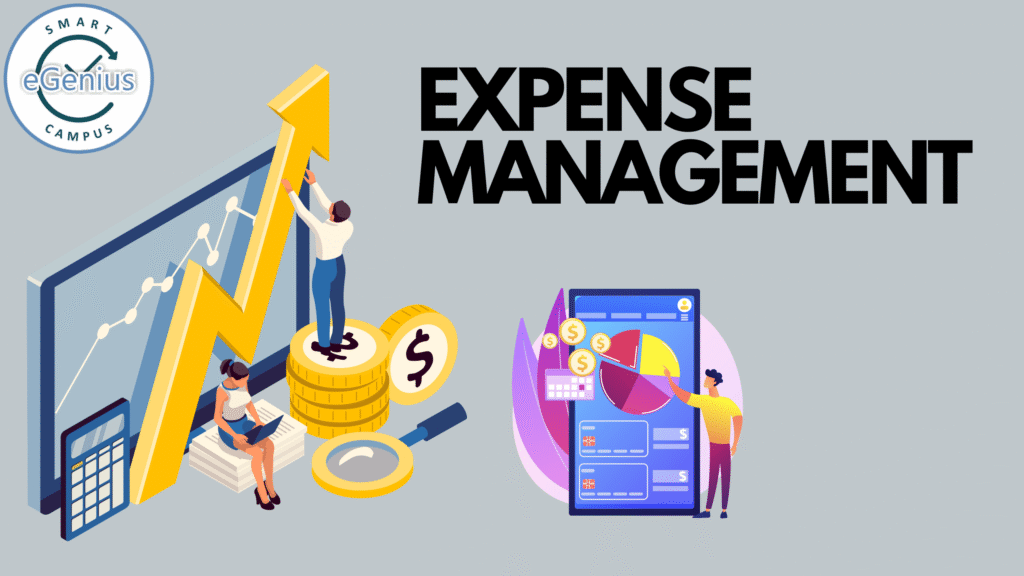
Technology Expense Management (TEM) is the process of tracking, analyzing, and optimizing an organization’s spending on technology-related resources. This includes IT infrastructure, telecom services, cloud platforms, and software subscriptions. As businesses increasingly rely on digital tools to operate and compete, technology expense management has become a strategic function rather than a back-office task. It helps organizations gain full visibility into where their technology budgets are being spent and ensures resources are used efficiently.
Importance of Managing Technology Costs
Managing technology costs is essential in today’s fast-paced business environment. Uncontrolled spending on hardware, software, and cloud services can quickly erode profit margins. Technology expense management enables companies to identify waste, eliminate redundancies, and align technology investments with business goals. Without a structured approach, organizations risk overspending, compliance issues, and reduced financial agility.
What Is Technology Expense Management?
Definition and Core Concepts
Technology expense management refers to a set of practices and tools designed to control, optimize, and govern technology-related expenditures. The core concepts include cost visibility, lifecycle management, vendor oversight, and performance optimization. TEM provides a centralized framework to manage technology assets from procurement to retirement, ensuring every expense delivers measurable value.
Key Components of Technology Expense Management
The key components of technology expense management include expense tracking, contract and vendor management, usage analysis, and reporting. Expense tracking captures all technology costs in one system, while vendor and contract management ensures favorable pricing and compliance with agreements. Usage analysis identifies underutilized assets, and reporting supports data-driven decision-making.
Technology Expense Management vs Traditional Expense Management
Traditional expense management typically focuses on employee reimbursements, travel, and operational expenses. In contrast, technology expense management is specialized and strategic, addressing complex technology ecosystems involving multiple vendors, licenses, and services. TEM requires deeper analytics, automation, and governance to manage recurring and variable technology costs effectively.
Why Technology Expense Management Is Important for Businesses
Rising Technology Costs in Modern Organizations
Modern organizations face rapidly rising technology costs due to cloud adoption, SaaS subscriptions, and remote work infrastructure. Without technology expense management, these costs can grow unchecked. TEM helps businesses monitor trends, forecast spending, and adapt budgets to changing technology demands.
Financial Visibility and Cost Control
One of the primary benefits of technology expense management is enhanced financial visibility. By consolidating all technology expenses into a single view, businesses gain accurate insights into spending patterns. This visibility enables tighter cost control, better budgeting, and more informed investment decisions.
Risk Management and Compliance Benefits
Technology expense management also supports risk management and compliance. It ensures software licenses are compliant, contracts are properly managed, and security standards are met. By reducing unauthorized spending and contract violations, TEM minimizes financial and legal risks.
Key Areas of Technology Expense Management
IT Infrastructure Expense Management
IT infrastructure expense management focuses on hardware, data centers, networks, and maintenance costs. Technology expense management helps organizations track asset lifecycles, avoid overprovisioning, and plan upgrades strategically, reducing unnecessary capital expenditures.
Telecom and Mobility Expense Management
Telecom and mobility expenses include mobile devices, data plans, and communication services. TEM identifies unused lines, optimizes plans, and ensures employees are using cost-effective services. This area often presents quick cost-saving opportunities for businesses.
Cloud Expense Management
Cloud services offer flexibility but can become expensive without oversight. Technology expense management enables organizations to monitor cloud usage, allocate costs accurately, and optimize resources. This prevents overconsumption and ensures cloud investments deliver maximum value.
Software and SaaS Expense Management
Software and SaaS expense management addresses licensing, renewals, and subscription sprawl. TEM helps businesses track licenses, eliminate unused subscriptions, and negotiate better vendor terms. This area is critical as SaaS adoption continues to grow.
Best Practices for Technology Expense Management

Establishing Policies and Governance
Effective technology expense management starts with clear policies and governance. Organizations should define spending guidelines, approval workflows, and accountability structures. Strong governance ensures consistent decision-making and prevents uncontrolled technology purchases.
Automating Expense Tracking and Reporting
Automation plays a vital role in modern technology expense management. Automated tracking and reporting reduce manual errors, provide real-time insights, and free up resources for strategic analysis. Automation also supports scalability as technology environments grow.
Continuous Monitoring and Cost Optimization
Technology expense management is not a one-time activity. Continuous monitoring helps organizations identify new cost-saving opportunities and respond to changes in usage patterns. Regular reviews and optimization ensure technology spending remains aligned with business objectives.
Technology Expense Management Tools and Solutions
Essential Features of Technology Expense Management Software
Technology expense management software should offer centralized dashboards, automated data collection, analytics, and reporting. Additional features like contract management, usage monitoring, and integration with financial systems enhance effectiveness and usability.
Benefits of Using Technology Expense Management Tools
Using dedicated technology expense management tools improves accuracy, efficiency, and decision-making. These tools provide actionable insights, reduce administrative overhead, and support proactive cost management. They also help organizations scale their TEM practices as technology complexity increases.
Cloud-Based vs On-Premise Solutions
Cloud-based technology expense management solutions offer flexibility, scalability, and faster deployment, making them ideal for modern businesses. On-premise solutions may provide greater control but require higher upfront investment and maintenance. Choosing the right solution depends on organizational needs, security requirements, and budget considerations.
Challenges in Technology Expense Management
Lack of Spending Visibility
One of the biggest challenges in technology expense management is the lack of clear visibility into technology spending. Many organizations use multiple systems to manage IT, telecom, cloud, and software costs, resulting in fragmented data. Without a centralized view, it becomes difficult to understand where money is being spent, identify waste, or forecast future expenses. Poor visibility often leads to overspending, duplicate services, and underutilized resources, all of which weaken financial control.
Managing Multiple Vendors and Contracts
Modern businesses rely on numerous technology vendors for hardware, software, cloud services, and telecom solutions. Managing these vendors and their contracts is complex and time-consuming. Each vendor may have different billing cycles, pricing models, and contract terms. Technology expense management becomes challenging when contracts are not tracked properly, leading to missed renewals, unfavorable terms, or compliance issues. Without a structured approach, organizations struggle to negotiate better deals and maintain consistent governance.
Data Accuracy and Integration Issues
Accurate data is the foundation of effective technology expense management. However, organizations often face data accuracy and integration challenges due to manual processes and disconnected systems. Inconsistent data formats, billing errors, and delayed updates can distort spending insights. Integrating data from finance, IT, procurement, and vendors is essential, but it requires the right tools and processes to ensure reliability and consistency.
How to Implement a Technology Expense Management Strategy
Assessing Current Technology Spending
The first step in implementing a technology expense management strategy is assessing current technology spending. This involves collecting data on all technology-related costs, including infrastructure, cloud services, software licenses, and telecom expenses. By analyzing this data, organizations can identify spending patterns, redundancies, and inefficiencies. A thorough assessment creates a baseline that supports informed decision-making and prioritization.
Building a Technology Expense Management Roadmap
Once current spending is understood, businesses should build a clear technology expense management roadmap. This roadmap outlines goals, timelines, responsibilities, and tools required to manage technology costs effectively. It should align with overall business objectives and include policies for procurement, usage, and governance. A well-defined roadmap ensures that technology expense management initiatives are implemented consistently and deliver measurable results.
Tracking Performance with KPIs and Metrics
Tracking performance is critical to the success of any technology expense management strategy. Key performance indicators (KPIs) such as cost savings, utilization rates, contract compliance, and budget variance help measure progress. Regular reporting and review of these metrics enable organizations to refine their approach, address gaps, and continuously optimize technology spending.
Benefits of Technology Expense Management
Cost Reduction and Budget Optimization
One of the most significant benefits of technology expense management is cost reduction. By identifying unused resources, eliminating redundancies, and optimizing contracts, organizations can achieve substantial savings. Technology expense management also supports better budget optimization by aligning spending with actual needs and business priorities, ensuring resources are allocated efficiently.
Improved Decision-Making
Technology expense management provides accurate, real-time insights into technology spending. This improved visibility empowers leaders to make data-driven decisions about investments, upgrades, and vendor relationships. With reliable information, organizations can evaluate the true value of technology initiatives and prioritize projects that deliver the highest return on investment.
Scalability and Operational Efficiency
As businesses grow, technology environments become more complex. Technology expense management enhances scalability by providing standardized processes and automation that adapt to changing needs. It also improves operational efficiency by reducing manual work, streamlining workflows, and enabling teams to focus on strategic activities rather than administrative tasks.
Future Trends in Technology Expense Management
AI and Automation in Expense Management
Artificial intelligence and automation are transforming technology expense management. AI-driven analytics can detect anomalies, predict future spending, and recommend optimization opportunities. Automation reduces manual data entry, improves accuracy, and accelerates reporting. These advancements make technology expense management more proactive and strategic.
Cloud and SaaS Cost Optimization Trends
As cloud and SaaS adoption continues to rise, cost optimization in these areas is becoming a top priority. Future technology expense management trends include advanced usage monitoring, automated rightsizing, and chargeback models. These practices help organizations control variable costs and maximize the value of cloud and SaaS investments.
Integration with Financial and ERP Systems
Integration with financial and ERP systems is another key trend in technology expense management. Seamless integration ensures consistent data flow between departments, improves financial reporting, and supports holistic planning. As organizations seek unified views of spending, integrated technology expense management solutions will become increasingly important.
Frequently Asked Questions (FAQs)
What is technology expense management?
Technology expense management is the practice of tracking, analyzing, and optimizing an organization’s spending on technology resources such as IT infrastructure, telecom services, cloud platforms, and software.
How does technology expense management help reduce costs?
Technology expense management helps reduce costs by improving spending visibility, identifying unused or underutilized resources, optimizing contracts, and automating expense tracking and reporting.
Who should use technology expense management solutions?
Technology expense management solutions are beneficial for businesses of all sizes, especially those with complex technology environments, multiple vendors, or significant IT, cloud, and software spending.
Conclusion
Technology expense management is no longer optional for modern businesses. With rising technology costs, complex vendor ecosystems, and increasing reliance on digital tools, organizations must adopt structured approaches to manage expenses effectively. By addressing challenges, implementing a clear strategy, and leveraging the right tools, businesses can reduce costs, improve decision-making, and scale efficiently. As future trends like AI, automation, and system integration continue to shape the landscape, technology expense management will remain a critical driver of sustainable growth and financial success.