





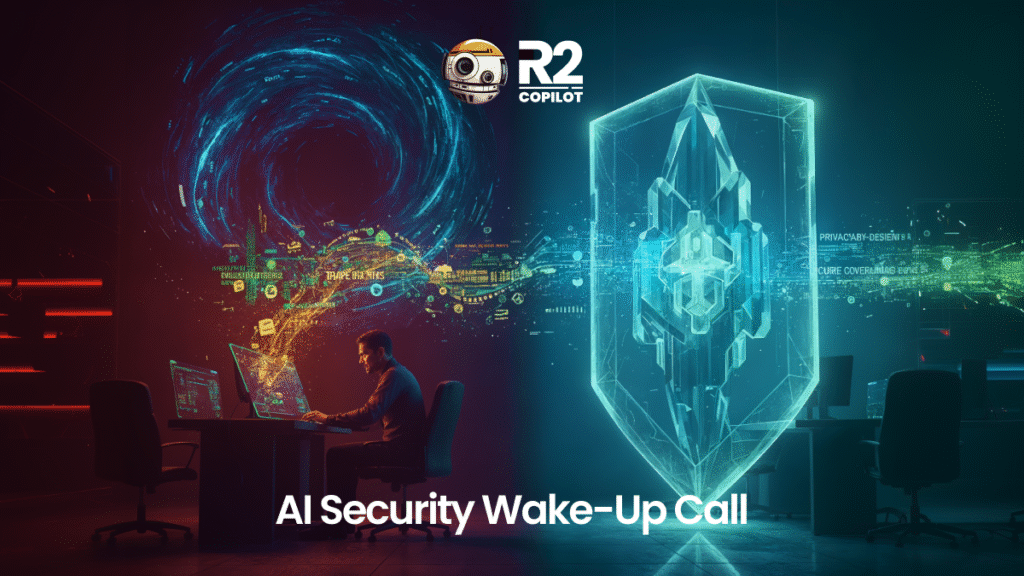
Artificial intelligence has moved from experimental technology to a powerful force shaping economies, governments, and everyday life. As AI systems become more autonomous and influential, a growing number of experts describe the current moment as an AI governance wake-up call a clear signal that oversight, regulation, and accountability can no longer lag behind innovation. Understanding why this shift matters is critical for policymakers, businesses, and society at large.
Understanding the AI Governance Wake-Up Call
What AI Governance Really Means
AI governance refers to the frameworks, policies, standards, and processes that guide how artificial intelligence systems are developed, deployed, and monitored. It includes ethical guidelines, legal compliance, risk management, transparency requirements, and human oversight mechanisms. Effective AI governance ensures that AI technologies are fair, explainable, secure, and aligned with societal values rather than operating as unchecked black boxes.
At its core, AI governance is about accountability defining who is responsible when AI systems make decisions that affect people’s lives.
Why AI Governance Is Suddenly Urgent
The urgency behind the AI governance wake-up call stems from the rapid acceleration of AI capabilities. Generative AI, autonomous decision-making systems, and predictive algorithms are now used in hiring, healthcare, finance, law enforcement, and content moderation. These systems can scale harm as quickly as they scale benefits, making weak governance a systemic risk rather than a technical oversight.
Without clear rules, AI development risks outpacing society’s ability to control it.
Events That Triggered the AI Governance Wake-Up Call
Rapid AI Deployment Without Oversight
Many organizations rushed to deploy AI tools to stay competitive, often without robust testing or ethical review. Speed-to-market became a priority, while long-term consequences were treated as secondary concerns. This “deploy first, govern later” approach exposed serious flaws in how AI systems were evaluated and monitored.
The result has been a growing realization that innovation without oversight can undermine trust and stability.
Real-World AI Failures and Public Backlash
High-profile AI failures have intensified public scrutiny. From biased facial recognition systems to AI-generated misinformation and flawed automated decision-making, these incidents highlighted the real-world consequences of poor governance. Public backlash, lawsuits, and regulatory investigations followed, reinforcing the idea that self-regulation alone is insufficient.
These failures transformed AI governance from a niche policy discussion into a mainstream concern.
Warnings From AI Experts and Industry Leaders
Prominent AI researchers, technologists, and industry leaders have repeatedly warned about the risks of unregulated AI. Open letters, congressional testimonies, and public statements emphasized the potential for large-scale harm if governance frameworks fail to keep pace. These warnings added credibility and urgency to calls for stronger AI regulation.
Risks Exposed by Weak AI Governance
Bias, Discrimination, and Ethical Violations
One of the clearest risks revealed by the AI governance wake-up call is algorithmic bias. AI systems trained on flawed or unrepresentative data can reinforce discrimination in hiring, lending, healthcare, and criminal justice. Without governance mechanisms to detect and correct bias, AI can amplify inequality at scale.
Ethical violations are not just technical failures they are governance failures.
Lack of Transparency and Accountability
Many AI models operate as “black boxes,” offering little insight into how decisions are made. This lack of transparency makes it difficult to audit systems, challenge outcomes, or assign responsibility when harm occurs. Weak governance allows these opaque systems to shape critical decisions without meaningful oversight.
Accountability gaps undermine public trust and legal fairness.
Data Privacy, Security, and Surveillance Risks
AI systems rely heavily on data, often including sensitive personal information. Weak governance increases the risk of data misuse, unauthorized surveillance, and security breaches. As AI becomes more integrated into monitoring and predictive systems, privacy concerns escalate, especially in the absence of enforceable safeguards.
Why Regulation Can No Longer Wait
AI’s Impact on Democracy, Jobs, and Society
AI is reshaping democratic processes, labor markets, and social structures. From automated content influencing public opinion to AI-driven workforce displacement, the societal stakes are enormous. Without regulation, these impacts can deepen inequality, spread misinformation, and erode democratic norms.
The AI governance wake-up call reflects the need to protect societal foundations, not just manage technology.
Legal Gaps and Enforcement Challenges
Existing laws were not designed for autonomous, learning-based systems. Many jurisdictions lack clear definitions, liability standards, or enforcement mechanisms for AI-related harm. These legal gaps create uncertainty for businesses and leave individuals vulnerable when AI systems fail.
Regulation provides clarity, accountability, and enforceable standards.
Consequences of Delayed AI Regulation
Delaying AI regulation increases the cost of future intervention. Once harmful systems are widely deployed, reversing damage becomes difficult and expensive. Proactive governance is far more effective than reactive crisis management, making early regulation a strategic necessity rather than a constraint on innovation.
Global Responses to the AI Governance Wake-Up Call
As artificial intelligence continues to reshape industries and societies, governments, corporations, and international bodies are responding to what many now call the AI governance wake-up call. This global shift reflects a shared understanding that unmanaged AI growth poses legal, ethical, and economic risks that can no longer be ignored.
Government-Led AI Regulations and Policies
Governments worldwide are moving from exploratory discussions to concrete regulatory action. New AI-focused laws, executive orders, and regulatory agencies are emerging to define how AI systems should be developed and used. These policies typically focus on risk classification, transparency requirements, accountability standards, and protections for fundamental rights.
The goal is not to halt innovation, but to establish guardrails that prevent harm while encouraging responsible development. Government-led regulation is becoming the backbone of AI governance, signaling that voluntary compliance alone is no longer sufficient.
Corporate AI Governance Frameworks
In response to regulatory pressure and public scrutiny, many organizations are adopting internal AI governance frameworks. These frameworks define ethical principles, approval processes, data usage standards, and monitoring mechanisms for AI systems. Companies are increasingly appointing AI ethics committees, compliance officers, and cross-functional governance teams.
Corporate AI governance is evolving from a public relations exercise into a strategic necessity. Businesses that fail to implement robust frameworks risk falling behind as regulatory expectations rise and stakeholder trust declines.
International Cooperation and AI Standards
AI technologies do not respect national borders, making international cooperation essential. Global organizations and alliances are working to develop shared AI standards that promote safety, interoperability, and ethical alignment. These efforts aim to reduce regulatory fragmentation and prevent a race to the bottom in AI oversight.
International AI standards also help organizations operate across markets more efficiently, reinforcing the importance of collaboration in addressing the challenges highlighted by the AI governance wake-up call.
What the AI Governance Wake-Up Call Means for Businesses

For businesses, the AI governance wake-up call is more than a policy issue it is a strategic turning point. Companies that rely on AI must reassess how governance impacts risk, trust, and long-term growth.
Compliance, Liability, and Financial Risk
Weak AI governance exposes businesses to legal penalties, regulatory fines, and costly lawsuits. As governments introduce clearer rules, non-compliance becomes easier to identify and enforce. Liability questions such as who is responsible when AI causes harm are becoming central to regulatory frameworks.
Proactive governance helps businesses anticipate regulatory requirements rather than scrambling to react after violations occur. Investing in compliance early can significantly reduce financial and operational risk.
Building Trust Through Responsible AI
Trust is becoming a critical differentiator in AI-driven markets. Customers, partners, and employees want assurance that AI systems are fair, transparent, and secure. Responsible AI practices such as explainable models, bias mitigation, and human oversight strengthen brand credibility.
Organizations that treat AI governance as a trust-building tool rather than a constraint are better positioned to maintain long-term relationships and protect their reputations.
Turning Governance Into a Competitive Advantage
Far from slowing innovation, strong AI governance can accelerate sustainable growth. Clear rules and accountability structures enable teams to innovate with confidence, knowing risks are managed. Investors and regulators increasingly favor companies with mature governance practices, viewing them as lower-risk and more future-ready.
In this sense, the AI governance wake-up call offers businesses an opportunity to lead rather than follow.
The Future of AI Governance After the Wake-Up Call
The AI governance landscape is still evolving, but several trends are shaping what comes next as lessons from early failures and successes accumulate.
Smarter, Adaptive AI Regulation
Traditional regulatory models struggle to keep pace with fast-moving AI technology. Future AI governance will likely rely on adaptive regulation frameworks that evolve alongside technological advances. Risk-based approaches, continuous audits, and real-time monitoring are expected to replace rigid, one-size-fits-all rules.
Smarter regulation allows oversight to scale with AI capability without stifling innovation.
Balancing Innovation With Oversight
One of the central challenges after the AI governance wake-up call is balancing innovation with control. Overregulation can discourage experimentation, while underregulation invites harm. The most effective governance models will focus on high-risk applications while allowing low-risk innovation to flourish.
This balance requires ongoing collaboration between regulators, technologists, and industry leaders.
What Organizations Must Do Next
Organizations cannot afford to wait for perfect regulatory clarity. The next step is action: auditing existing AI systems, defining governance ownership, investing in transparency tools, and training teams on ethical AI use. Governance must be embedded into product design, procurement, and deployment not added as an afterthought.
Those who act now will be better prepared for future regulations and shifting public expectations.
Conclusion
The AI governance wake-up call has reshaped how the world views artificial intelligence oversight. Governments are regulating, businesses are adapting, and global standards are taking shape. The future of AI governance will depend on proactive leadership, adaptive regulation, and a shared commitment to responsible innovation. For organizations willing to embrace governance as a strategic asset, this moment represents not a threat but a powerful opportunity.