





What Are Wooden Kitchen Gadgets?
Wooden kitchen gadgets are timeless cooking tools that combine functionality, sustainability, and natural beauty. From everyday cooking to elegant serving, these tools have been used for centuries and are now regaining popularity due to their eco-friendly and food-safe properties.
Definition and Purpose
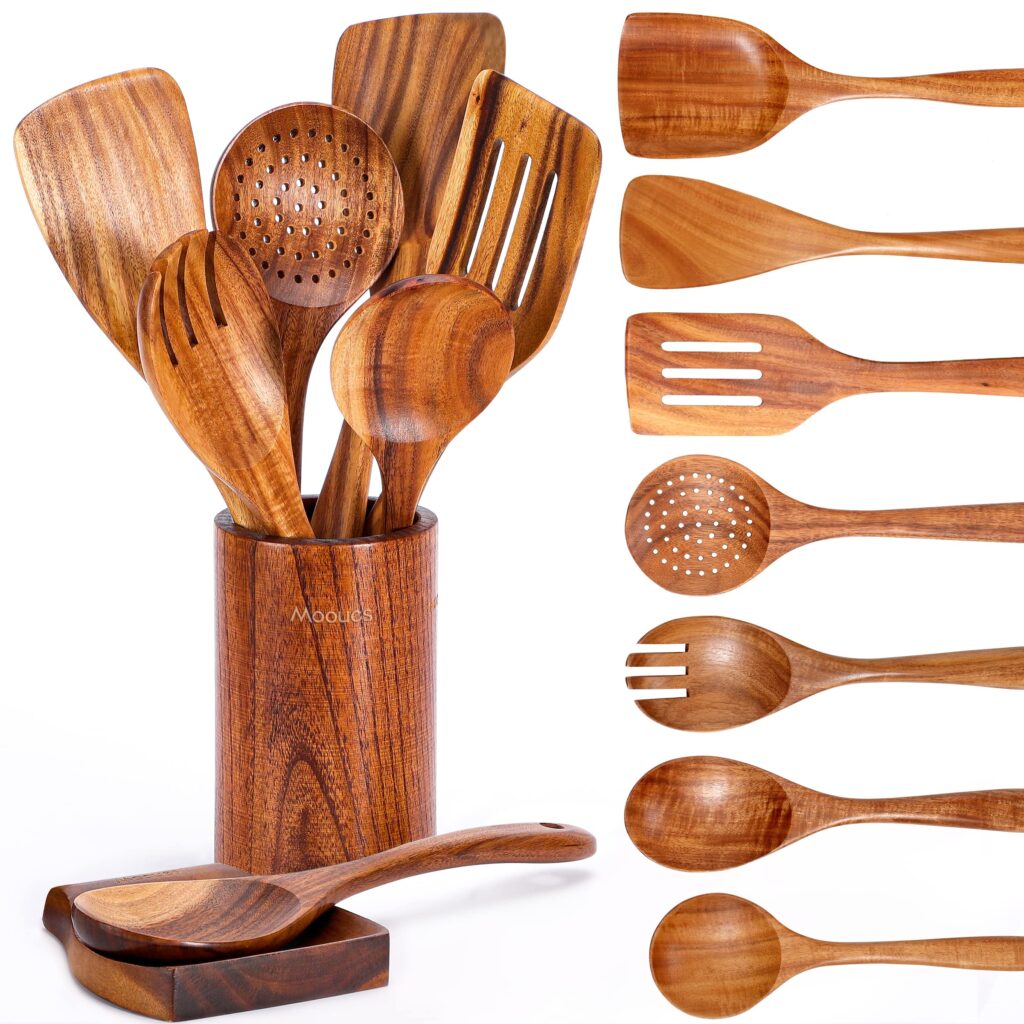
Wooden kitchen gadgets are cooking, baking, and serving tools made primarily from natural wood. Their main purpose is to assist in food preparation while protecting cookware and ensuring safe contact with food. Common uses include stirring, chopping, rolling dough, measuring ingredients, and serving meals. Unlike plastic or metal alternatives, wooden tools are gentle on cookware and add a warm, natural aesthetic to the kitchen.
Types of Wood Used in Kitchen Gadgets
Different types of wood are used to make wooden kitchen gadgets, each offering unique benefits. Bamboo is lightweight, affordable, and highly sustainable. Teak is known for its durability and natural resistance to moisture. Olive wood stands out for its beautiful grain patterns and strength, while beechwood is commonly used due to its smooth finish and toughness. Choosing the right wood ensures longevity, hygiene, and performance.
Wooden vs Plastic and Metal Kitchen Tools
Compared to plastic tools, wooden kitchen gadgets are biodegradable, non-toxic, and free from harmful chemicals like BPA. Plastic tools may melt or release toxins under high heat, while wooden tools remain stable. Metal utensils, although durable, can scratch non-stick cookware and conduct heat quickly. Wooden tools strike a balance by being heat-resistant, cookware-safe, and environmentally responsible.
Benefits of Wooden Kitchen Gadgets
Wooden kitchen gadgets offer several advantages that make them a smart choice for modern kitchens focused on health and sustainability.
Eco-Friendly and Sustainable Materials
One of the biggest benefits of wooden kitchen gadgets is their eco-friendly nature. Made from renewable resources, wooden tools are biodegradable and help reduce plastic waste. Many manufacturers source wood responsibly, making these tools a sustainable option for environmentally conscious households.
Safe for Non-Stick and Delicate Cookware
Wooden utensils are gentle on cookware surfaces, especially non-stick and ceramic pans. Unlike metal tools, they do not scratch or damage coatings, helping extend the lifespan of expensive cookware. This makes wooden kitchen gadgets ideal for daily cooking.
Heat-Resistant and Long-Lasting
Wood is naturally heat-resistant and does not conduct heat like metal. This means wooden gadgets stay cool while cooking, reducing the risk of burns. With proper care, high-quality wooden tools can last for years without warping or cracking, making them a cost-effective investment.
Natural, Chemical-Free, and Food-Safe
Wooden kitchen gadgets are naturally free from harmful chemicals often found in plastic products. They do not leach toxins into food, even at high temperatures. Many types of wood also have natural antibacterial properties, making them safe for food preparation when cleaned properly.
Popular Types of Wooden Kitchen Gadgets
There is a wide variety of wooden kitchen gadgets available, each designed for specific cooking and serving needs.
Wooden Spoons, Spatulas, and Turners
These are the most common wooden kitchen tools. Wooden spoons and spatulas are perfect for stirring soups, sauces, and curries, while turners are ideal for flipping food without damaging pans. They are versatile, durable, and easy to use.
Wooden Cutting Boards and Chopping Blocks
Wooden cutting boards are gentle on knives and help maintain sharp blades. They provide a sturdy surface for chopping vegetables, meat, and fruits. Hardwoods like teak and maple are especially popular due to their durability and resistance to moisture.
Wooden Rolling Pins and Baking Tools
Wooden rolling pins are essential for baking and dough preparation. They offer better control and a smooth rolling experience. Other wooden baking tools, such as pastry brushes and dough scrapers, add convenience and precision.
Wooden Measuring Spoons and Scoops
Wooden measuring spoons and scoops combine functionality with decorative appeal. They are perfect for measuring spices, flour, sugar, and coffee, and also look great when displayed in open kitchens.
Wooden Salad Servers and Tongs
Wooden salad servers and tongs are commonly used for serving salads, pasta, and bread. They are lightweight, stylish, and safe for serving both hot and cold foods.
How to Choose the Best Wooden Kitchen Gadgets
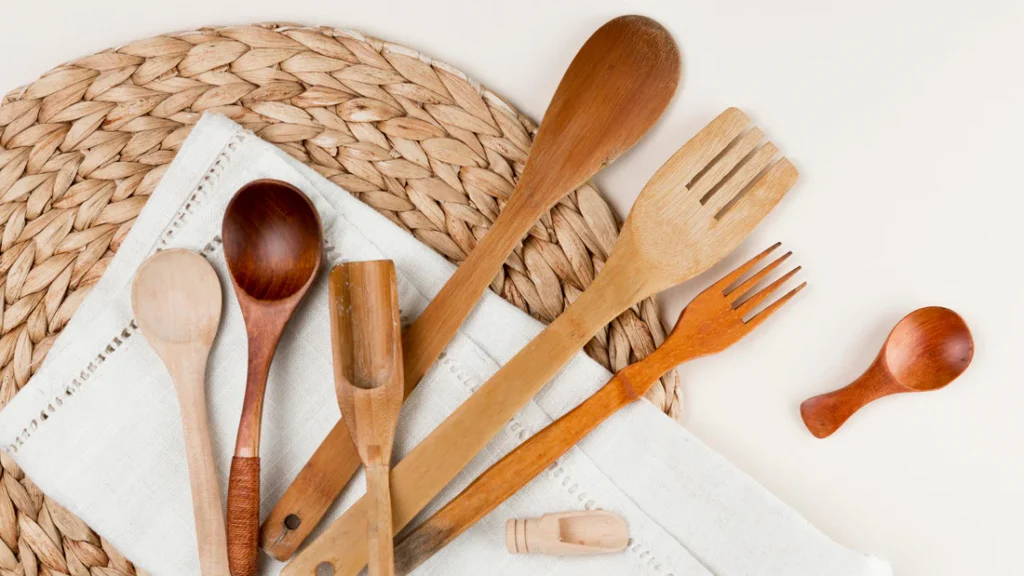
Selecting high-quality wooden kitchen gadgets ensures better performance, safety, and durability.
Selecting the Right Type of Wood
The type of wood plays a major role in the tool’s quality. Hardwoods like teak, olive wood, and beechwood are more durable and resistant to moisture. Bamboo is an excellent option for those seeking lightweight and sustainable tools.
Quality, Finish, and Craftsmanship
Always look for smooth finishes without cracks or rough edges. Well-crafted wooden kitchen gadgets should feel solid and balanced in hand. Poor-quality tools may splinter or absorb moisture quickly.
Ergonomic Design and Comfort
Comfortable handles and well-shaped designs improve control and reduce hand fatigue. Ergonomic wooden gadgets make cooking more enjoyable, especially during long preparation sessions.
Handmade vs Machine-Made Gadgets
Handmade wooden kitchen gadgets often offer superior craftsmanship and unique designs, while machine-made options are more affordable and consistent. Both can be excellent choices, depending on your budget and preference.
How to Care for Wooden Kitchen Gadgets
Proper care is essential to maintain the beauty, hygiene, and longevity of wooden kitchen gadgets. With simple daily habits, these tools can last for many years without losing their functionality.
Cleaning and Drying Properly
Wooden kitchen gadgets should always be washed by hand using warm water and mild dish soap. Avoid soaking them in water, as prolonged exposure to moisture can weaken the wood and cause warping. After washing, dry them immediately with a clean towel and allow them to air-dry completely before storing. Never place wooden tools in the dishwasher, as high heat and moisture can lead to cracks and splitting.
Oiling and Maintenance Tips
Regular oiling helps keep wooden kitchen gadgets smooth and resistant to moisture. Food-grade mineral oil, beeswax, or coconut oil are ideal choices. Apply oil with a soft cloth, let it absorb for a few hours, then wipe off the excess. Oiling once or twice a month prevents drying, enhances durability, and preserves the natural grain of the wood.
Preventing Cracks, Stains, and Odors
To prevent cracks, keep wooden tools away from direct heat sources like stovetops and ovens. Stains and odors can be minimized by rinsing gadgets immediately after use, especially after handling strong-smelling foods like garlic or onions. A paste of baking soda and lemon juice can help remove stubborn odors naturally.
Are Wooden Kitchen Gadgets Hygienic?
A common concern among buyers is whether wooden kitchen gadgets are hygienic compared to plastic or metal alternatives.
Bacteria Myths and Scientific Facts
Contrary to popular belief, wood is not unhygienic. Studies have shown that many types of wood possess natural antibacterial properties. Bacteria that enter wood fibers often die off faster than on plastic surfaces. Plastic tools, when scratched, can trap bacteria in grooves that are difficult to clean, whereas wood can inhibit bacterial growth when properly maintained.
Hygiene Best Practices for Wooden Tools
Maintaining hygiene is simple with wooden kitchen gadgets. Wash them promptly after use, dry thoroughly, and oil regularly. Avoid using the same wooden tools for raw meat and ready-to-eat foods. With these practices, wooden gadgets remain safe and hygienic for everyday cooking.
Wooden Kitchen Gadgets vs Other Materials
Understanding how wooden kitchen gadgets compare to plastic and metal helps consumers make informed choices.
Comparison with Plastic Kitchen Tools
Plastic kitchen tools are affordable and lightweight, but they often contain chemicals like BPA and may release toxins when exposed to high heat. Plastic also contributes significantly to environmental pollution. Wooden kitchen gadgets, on the other hand, are chemical-free, heat-resistant, and biodegradable, making them a safer and more sustainable alternative.
Comparison with Metal Kitchen Tools
Metal tools are durable and easy to clean, but they conduct heat quickly and can scratch non-stick cookware. They may also react with acidic foods. Wooden kitchen gadgets stay cool during cooking, protect cookware surfaces, and do not alter food taste, offering a more gentle and practical option.
Environmental Impact Comparison
From an environmental perspective, wooden kitchen gadgets have the lowest impact. They are made from renewable resources and decompose naturally at the end of their lifecycle. Plastic tools rely on fossil fuels, while metal tools require energy-intensive mining and manufacturing processes. Choosing wooden tools supports a more sustainable kitchen.
Where to Buy High-Quality Wooden Kitchen Gadgets
Finding reliable sources ensures you get durable and well-crafted wooden kitchen gadgets.
Online Stores and Marketplaces
Major online marketplaces offer a wide variety of wooden kitchen gadgets, from budget-friendly options to premium sets. Customer reviews, ratings, and detailed product descriptions help buyers make informed decisions. Online shopping also provides access to international brands and unique designs.
Eco-Friendly and Sustainable Brands
Many brands now specialize in eco-friendly kitchen tools made from responsibly sourced wood. These companies often emphasize sustainability, ethical production, and plastic-free packaging. Choosing such brands supports environmentally responsible practices while ensuring high product quality.
Handmade and Artisan Options
Handmade wooden kitchen gadgets crafted by artisans offer superior craftsmanship and unique designs. These tools often feature hand-polished finishes and high-quality hardwoods. While they may cost more, handmade options provide durability, aesthetic appeal, and support small businesses.
FAQs About Wooden Kitchen Gadgets
Are wooden kitchen gadgets dishwasher safe?
No, wooden kitchen gadgets are not dishwasher safe. Dishwashers expose wood to excessive heat and moisture, which can cause cracking, warping, and loss of finish.
How long do wooden kitchen gadgets last?
With proper care, high-quality wooden kitchen gadgets can last anywhere from 5 to 10 years or even longer. Regular cleaning and oiling significantly extend their lifespan.
Can wooden tools absorb food smells?
Wood can absorb strong odors if not cleaned properly. However, regular washing and occasional deodorizing with lemon or baking soda can easily remove smells.
Are wooden kitchen gadgets safe for cooking?
Yes, wooden kitchen gadgets are completely safe for cooking. They are heat-resistant, chemical-free, and gentle on cookware, making them ideal for daily use.
Conclusion
Why Wooden Kitchen Gadgets Are Worth Investing In
Wooden kitchen gadgets offer unmatched benefits in terms of safety, sustainability, and durability. They protect cookware, enhance cooking comfort, and reduce exposure to harmful chemicals while supporting eco-friendly living.